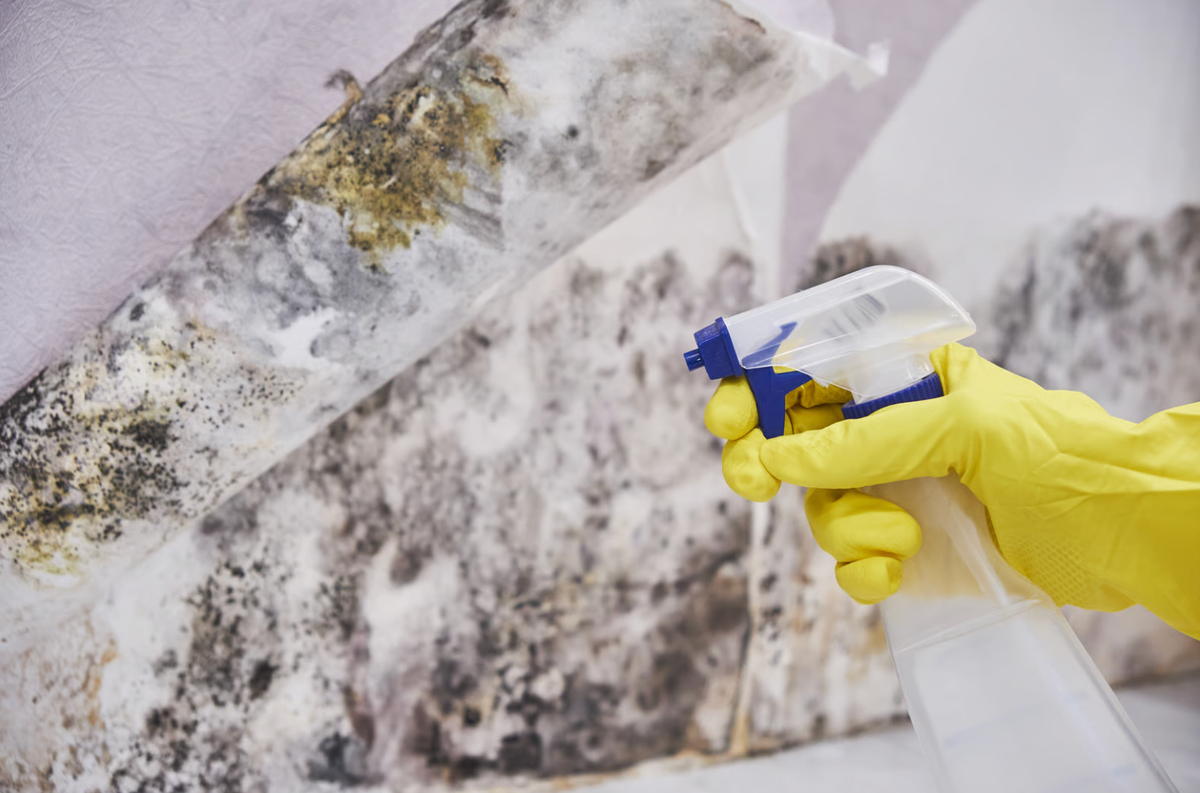
Water damage is one of the most common and costly issues rental housing providers face. A small leak under a sink, a worn appliance hose, a clogged gutter, or an aging roof may not seem urgent at first. But when moisture is left untreated, it can quickly lead to mold growth, structural damage, electrical hazards, and expensive restoration work.
During this AACSC educational class, PuroClean explained that water damage can spread fast, especially within the first 24 to 48 hours, making quick action and prevention essential for rental property owners and managers. The presentation emphasized that mold is often the result of water or humidity that has gone unnoticed or unaddressed.
Why Water Damage Prevention Matters
For rental housing providers, maintenance is more than a routine task. It is one of the strongest defenses against costly property damage.
PuroClean noted that many water damage calls come from preventable maintenance issues, delayed reporting, or small leaks that were overlooked. What begins as a minor drip can eventually turn into damaged flooring, walls, cabinetry, framing, or even a full reconstruction project.
The message was clear: prevention costs far less than restoration.
A small repair may cost hundreds of dollars, while a major water damage restoration can climb into the thousands—or even hundreds of thousands—depending on the extent of the damage.
Common Sources of Water Damage in Rental Properties
Rental properties can experience water damage from many sources, including burst pipes, leaking roofs, appliance failures, heavy rain, sewage backups, aging plumbing, and poor ventilation.
High-risk areas include:
Appliance connections. Washing machines, dishwashers, refrigerators with ice makers, and water heaters should be inspected regularly for cracked hoses, loose fittings, corrosion, rust, pooling water, or unusual sounds.
Under-sink areas. Tenants often store cleaning supplies under sinks, which can block the view of slow leaks. Regular inspections can help identify drips before they become major problems.
Toilets and supply lines. Toilet seals, supply lines, and shutoff valves should be monitored for wear, corrosion, bulging, or signs of moisture.
Roofs and exterior surfaces. Missing shingles, clogged gutters, foundation cracks, and poorly sealed windows can allow water intrusion, especially after rain.
Bathrooms and ventilation. Bathrooms without proper ventilation can trap humidity, increasing the risk of mold around windows, walls, and ceilings.
Mold Prevention Starts With Moisture Control
One of the most important takeaways from the class is that mold does not appear without moisture. Water damage, humidity, poor ventilation, and untreated leaks create the conditions mold needs to grow.
For rental housing providers, mold prevention should include regular inspections, tenant education, and fast response procedures. Owners and managers should encourage tenants to report leaks immediately, use bathroom exhaust fans, keep areas ventilated after showers, and notify management about signs of moisture, discoloration, musty odors, or visible growth.
PuroClean also recommended making sure tenants know where the water shutoff valve is located. In an emergency, shutting off the water quickly can dramatically reduce the amount of damage.
Smart Tools That Can Help Reduce Risk
One of the most important takeaways from the class is that mold does not appear Leak detection technology can be a valuable investment for rental properties. Water sensors and automatic shutoff systems may alert owners or managers when unusual water use is detected, allowing them to act before a small problem becomes a major flood.
Moisture meters can also help identify hidden water behind walls, flooring, tile, plaster, and other materials. However, PuroClean explained that moisture readings depend on the material, location, and baseline conditions of the property. Professional inspections may be needed to determine whether an area is truly wet or whether additional remediation is required.
Be Careful With “Quick Fixes”
The class also addressed common mold misconceptions. For minor surface cleaning, water and vinegar may help wipe away small visible areas, but this is only a temporary solution if the underlying moisture source remains.
Painting over mold is not a proper fix. Even paints marketed as mold-resistant or mold-killing should not be used as a substitute for identifying and correcting the source of moisture. If the leak, humidity, or ventilation problem continues, the mold concern may return.
For older properties, owners should also be cautious before opening walls or ceilings. If mold remediation requires demolition, the property may need asbestos or lead testing first, depending on the age and materials involved.
Tenant Communication Is Key
A major part of prevention is communication. Tenants may delay reporting leaks because they do not want to be blamed or inconvenienced. Property owners and managers should make it clear that early reporting protects everyone.
A simple reminder can help:
“Please report any leaks, moisture, mold, musty smells, or plumbing issues right away. Even small leaks can cause major damage if they are not addressed quickly.”
Regular check-ins, seasonal inspections, and clear maintenance procedures can help owners catch small problems before they escalate.
When Water Damage Happens, Act Fast
When a water damage incident occurs, every hour matters. Water can move behind walls, under flooring, into cabinets, and through structural materials. The longer it sits, the more likely it is to create mold growth and additional damage.
PuroClean explained that professional restoration may include inspection, moisture mapping, water extraction, drying equipment, remediation, reconstruction, content cleaning, and documentation. Acting quickly can minimize disruption, reduce repair costs, and help return the property to a safe condition faster.
Conclusion
Water damage and mold prevention should be a top priority for every rental housing provider. Small leaks, poor ventilation, aging appliance hoses, roof issues, and delayed tenant reporting can all lead to expensive damage if ignored.
The best protection is a proactive maintenance plan: inspect high-risk areas, educate tenants, know where shutoff valves are located, consider leak detection technology, and respond quickly when moisture appears.
By taking water damage seriously from the start, rental property owners can protect their buildings, reduce liability exposure, preserve tenant safety, and avoid costly restoration emergencies.
This was an AACSC Class in collaboration with PuroClean.
Members Discussion